
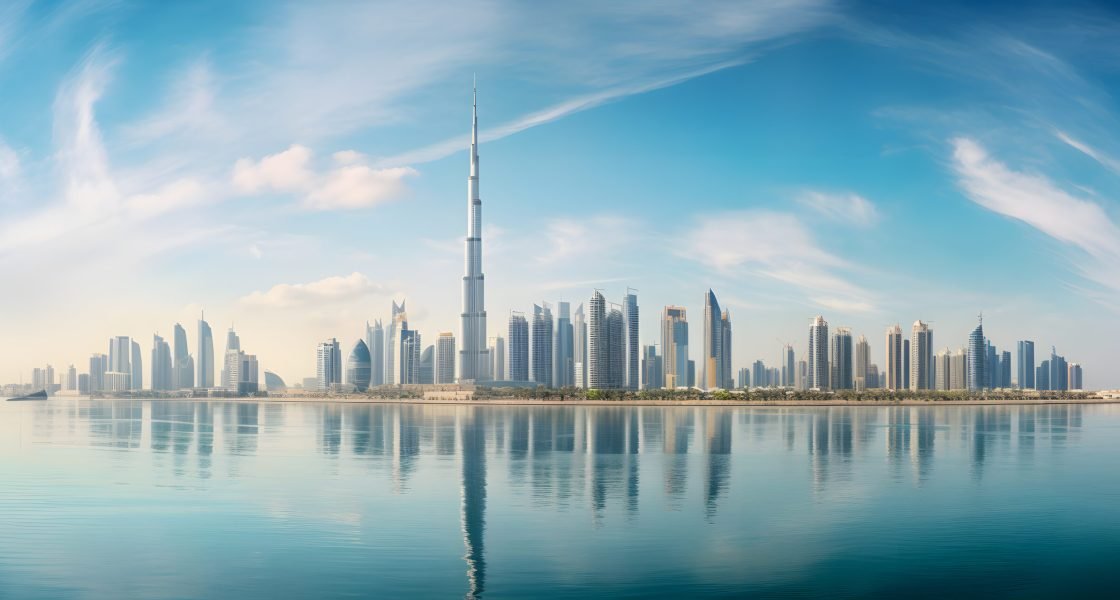
Dubai Real Estate: Resilient, Selective, and Poised for Growth
Dubai’s real estate market is once again demonstrating remarkable resilience — even as global headwinds, supply shifts, and changing investor behavior reshape the playing field. According to recent data and expert commentary, 2025 is emerging as a pivotal year for the emirate’s property landscape.
Key Market Trends at a Glance
- Surging Transactions
In the first nine months of 2025, Dubai saw a 20% increase in off-plan transactions and a 10% rise in resale deals, bringing total volume from 48,000 to 53,000 units. - Tightening Supply
While demand continues to climb, new residential launches have slightly cooled — dropping to around 120,000 units, compared to 130,000 in the previous period. - Land Costs Skyrocketing
One of the biggest pressures on supply is land pricing. Since 2020, land costs in Dubai have surged by 200–300%, making it harder for smaller or newer developers to enter the game. - Strong Brands, Strategic Advantage
In this environment, established developers — such as Emaar, DAMAC, and Aldar — are reaping rewards. Their brand equity gives them a competitive edge in both sales velocity and pricing power. - Location Is Everything
- Some areas, like Jumeirah Village, face potential oversupply as 27,000 new units come online.
- Other areas, particularly Jebel Ali, are being singled out for future growth potential due to ongoing infrastructure investment.
- Rental Market Holding Strong
Despite concerns about supply, rental prices remain firm in many neighborhoods. According to experts, there’s no widespread sign of correction — though local adjustments may happen in saturated zones. - Developers Looking Beyond Dubai
The dramatic rise in land costs has prompted some developers to explore Abu Dhabi, where land remains relatively more affordable. - Shifting Buyer Profile
Dubai is no longer just a speculative market. There’s a growing trend of people choosing to live long-term in the city, not just invest — reinforcing sustainable demand.
Why This Phase Matters
The current market dynamics point to more than just short-term momentum — they signal a maturing real estate sector:
- Sustainable Growth Over Speculation: The surge in off-plan and resale activity, combined with tightening supply, suggests that investors and buyers are increasingly making well-informed, long-term decisions.
- Brand Trust Wins Big: As land becomes more expensive and risk higher, developers with strong track records are clearly in a better position. It’s not just about building — it’s about trust, execution, and delivering value.
- Infrastructure-led Opportunities: Places like Jebel Ali are becoming more attractive — not just for now, but because of their long-term strategic promise. Connectivity and amenities will likely drive the next wave of growth.
- Balanced Risk: Even though there might be some selective price corrections in oversupplied sub-markets, the broader rental market shows no signs of a crash. For investors, that’s a comforting signal.
- Global Appeal Sustains: With rising living costs and geopolitical volatility in other markets, Dubai’s stable regulation, tax structure, and economic vision continue to make it a safe haven for real estate capital.
Challenges & Considerations
While the outlook is broadly positive, some risks remain:
- Land Inflation: The rapid increase in land prices could squeeze future developers unless they can innovate or scale efficiently.
- Selective Oversupply Risk: Districts like Jumeirah Village may face downward price pressure if demand doesn’t match the scale of new supply.
- Barriers for New Entrants: With land so expensive, entry for less-established developers is tough. This could limit diversity in offerings and slow innovation.
- Long-Term Demand Dependence: Continued demand hinges on maintaining Dubai’s attractiveness for long-term residents — not just short-term investors.
What This Means for Investors and Developers
For Investors:
- Focus on brand-backed projects — these are likely to perform more consistently.
- Evaluate emerging areas like Jebel Ali, where infrastructure is still ramping up but future potential is strong.
- Consider long-hold strategies: Dubai’s appeal is shifting toward sustainable residency, not just quick flips.
For Developers:
- Differentiation is key. Using strong brand value, quality design, and smart deliverability will help you win in a tighter supply environment.
- Strategically assess land acquisition: balancing cost, location, and potential demand is more critical than ever.
- Build for the future: infrastructure, smart living, and long-term resident needs should shape your pipeline.
Final Thought
Dubai’s real estate market is navigating a critical turning point one that’s about sustainable growth, higher barriers, and more selective opportunities. Rather than a mass boom, we’re moving into a phase of refined resilience: one where brand, location, and long-term planning matter more than ever.
For buyers, investors, and developers, success in this era will hinge on making strategic choices — not just chasing volume, but building for quality, longevity, and real demand.